

500,000 Containers at Risk!Maersk Warns of East African Supply Chain Disruptions During Rainy Season, Mombasa and Dar es Salaam Face Operational Risks

Maersk warned in a customer advisory issued on October 6, 2026, that abnormal rainfall associated with El Niño could seriously disrupt freight corridors in East Africa between October and December. Kenya’s meteorological authorities have confirmed that the current El Niño event could reach historically strong levels.
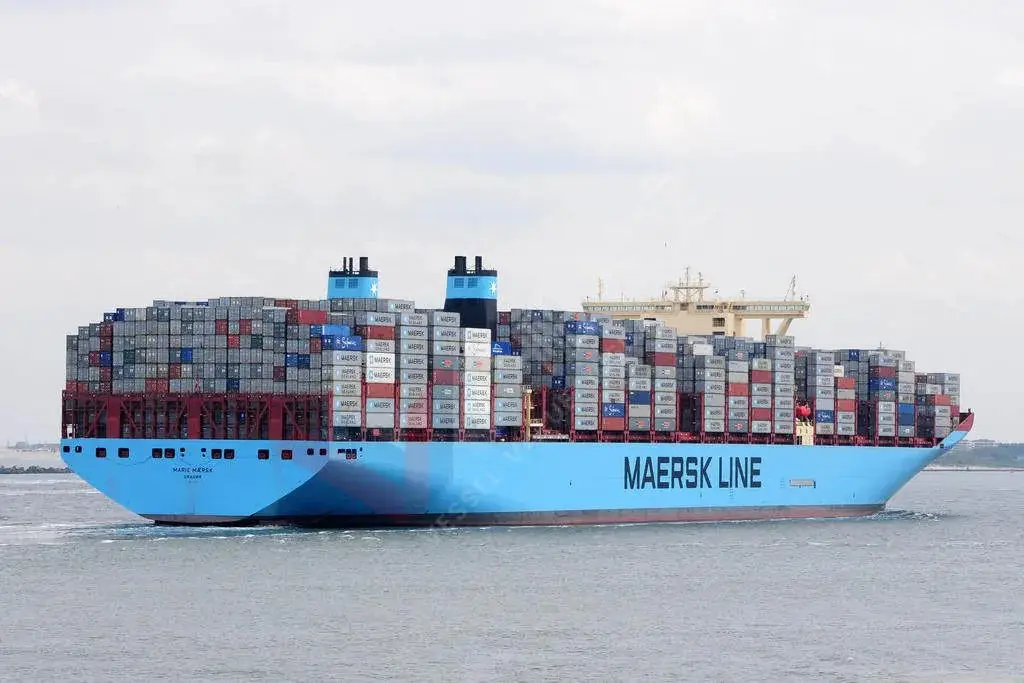
Maersk Warning: Triple Risks to Roads, Terminals and Vessel Operations
In its October 6, 2026 customer advisory, Maersk said East Africa and surrounding markets are expected to experience above-normal rainfall between October and December 2026, with some areas potentially facing heavy rainfall and flooding.
The advisory has also been published on Maersk’s China website.
Maersk identified potential operational impacts across three major areas.
For inland transportation and access to terminals, flooding or road damage could restrict access to ports, terminals, container yards and inland delivery points. This could lead to longer transit times, temporary route closures and disruptions to import and export cargo flows.
Cargo moving in transit to neighboring countries could also be delayed, while longer truck turnaround times could reduce the availability of trucking capacity.
For terminal and vessel operations, severe weather could slow down or temporarily suspend cargo handling, reduce yard productivity, lower vessel loading and discharge efficiency, and extend port stays.
If cargo pickup and onward transportation are delayed at the same time, yard utilization could rise, making containers more difficult to retrieve and handle.
Maersk advises customers to build additional buffers into transportation plans and estimated transit times. Export containers should arrive at terminals as early as possible, while shipping instructions and customs documentation should be submitted promptly.
Weather Outlook: El Niño Could Reach Historically Strong Levels
According to forecasts from the U.S. National Oceanic and Atmospheric Administration (NOAA), there is approximately a 65% probability that the current El Niño event will develop into a “strong or very strong” event between October 2026 and February 2027, potentially placing it among the strongest El Niño events ever recorded.
Kenya’s meteorological authorities have warned that more than 80% of the country could experience above-normal heavy rainfall between October 2026 and February 2027.
Acting Director of the Kenya Meteorological Department Edward Muriuki said the strongest rainfall is expected in coastal and northeastern areas, including Kwale, Mombasa, Kilifi, Lamu and Mandera.
Port Side: Mombasa and Dar es Salaam on Alert
The Mombasa County Government has activated preparations for El Niño-related emergencies.
Governor Abdulswamad Shariff Nassir ordered the immediate clearing of all drainage systems and established a multi-agency coordination team.
During the 2023 El Niño event, nearly 3,900 households in Mombasa were affected.
The Kenyan government has designated 18 counties as high-risk areas, with Mombasa, Nairobi and Kisumu identified as high-risk urban hotspots.
At Tanzania’s Port of Dar es Salaam, total cargo handled during the 2025/26 financial year reached 33.71 million tonnes, up 21.5% year on year.
The port is increasingly becoming an important gateway to landlocked markets across East and Central Africa, with transit cargo rising 17% to 14.61 million tonnes.
Although port efficiency has improved — average container vessel port stays have fallen from around 10 days to three days — inland rail and road connections continue to face significant pressure.
Shipping Routes: Asia–East Africa Capacity Continues to Expand
Despite rising weather risks, shipping capacity between Asia and East Africa continues to expand.
South Korea’s HMM, together with Pacific International Lines, COSCO Shipping and three other partners, is scheduled to launch a weekly service between Nhava Sheva and Mombasa in November, with initial capacity of approximately 2,500 TEU.
Taiwan-based InterAsia Lines is also scheduled to launch a weekly service to Mombasa in mid-October, with capacity of approximately 2,000–2,500 TEU.
Industry View
For exporters moving cargo through Mombasa and Dar es Salaam to landlocked markets such as Uganda, Rwanda and the Democratic Republic of the Congo, shipment plans between October and December should include at least five to seven additional days of buffer time.
As a major gateway to East Africa, Mombasa’s coastal location and vulnerabilities in the city’s drainage system mean that the port and surrounding logistics network could face a relatively high risk of operational disruption during periods of heavy rainfall.
Shippers are advised to closely monitor subsequent sailing schedules and cut-off adjustments from Maersk and other carriers.
For time-sensitive cargo, exporters may consider completing shipments before mid-October to reduce the potential impact of delays during the peak rainy-season period in November.