

UN Report Flags Growing Headwinds for Global Shipping as Trade Momentum Fade

Global trade is losing steam just as the shipping industry was hoping for a steadier recovery, according to a new United Nations outlook that points to slower growth, fading demand drivers, and rising economic uncertainty.
The UN’s World Economic Situation and Prospects 2026 report, released Thursday, projects global economic growth of 2.7% in 2026, down from an estimated 2.8% in 2025 and well below the pre-pandemic average of 3.2%. Geopolitical tensions, trade policy uncertainty, weak investment, and high debt levels—especially in developing economies—are expected to weigh on activity through next year.
For shipping, the report’s trade outlook is particularly sobering. Global trade outperformed expectations in 2025 as companies rushed to move goods ahead of anticipated tariff hikes and as services exports remained strong. But that front-loaded boost is expected to fade in 2026, with trade growth slowing as policy uncertainty and trade barriers persist.
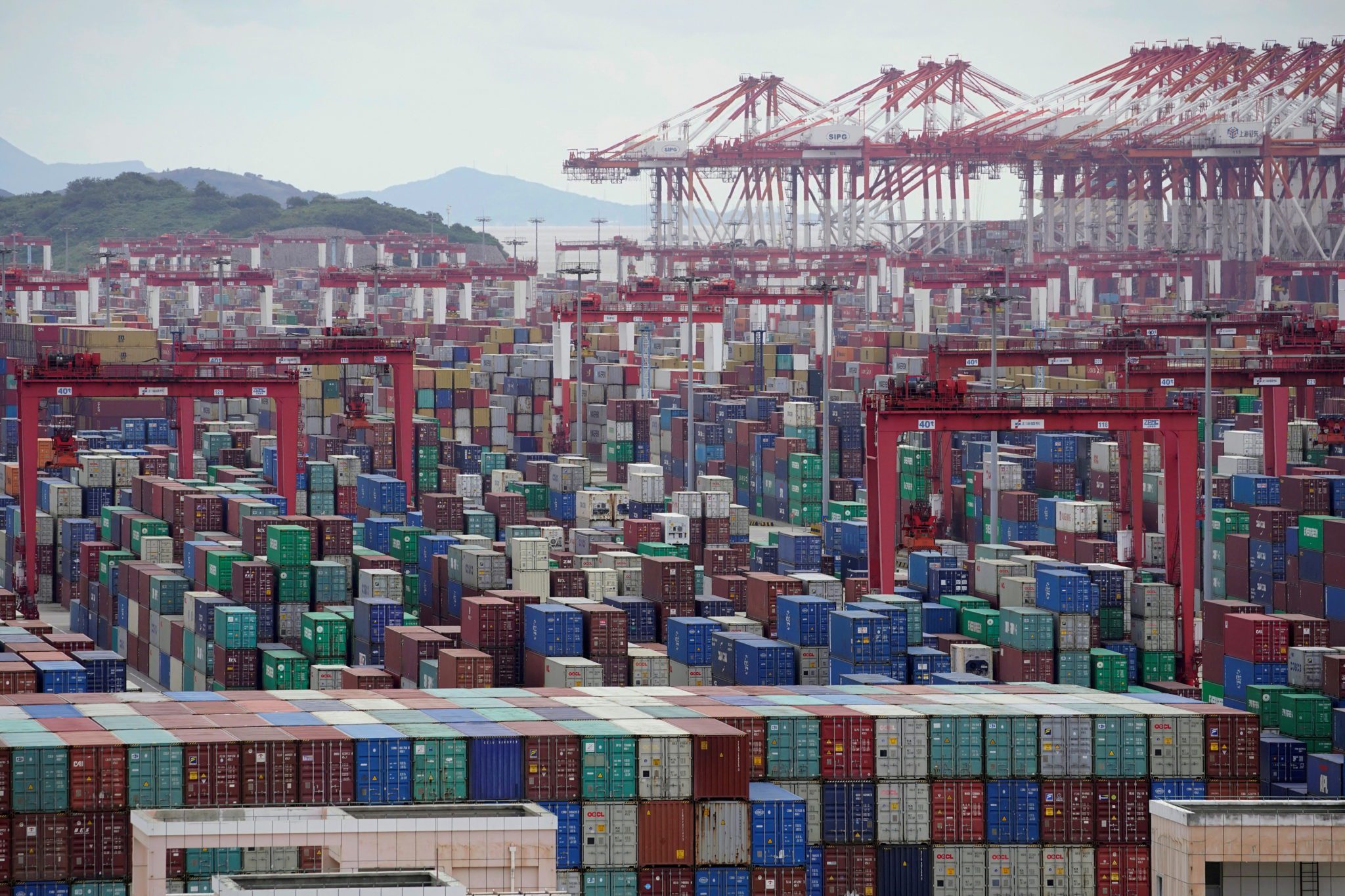
FILE PHOTO: Containers are seen at the Yangshan Deep-Water Port in Shanghai, China October 19, 2020. REUTERS/Aly Song//File Photo
Investment remains weak across most regions, reflecting tighter financing conditions and caution among firms—another red flag for ports, carriers, and shipbuilders counting on a rebound in cargo volumes.
The global economy showed resilience over the past year as inflation eased and monetary policy began to loosen in several major economies. But the UN warns that underlying weaknesses remain, raising the risk of a prolonged period of fragile, below-trend growth.
“Even as inflation recedes, high and still rising prices continue to erode the purchasing power of the most vulnerable,” said Li Junhua, UN Under-Secretary-General for Economic and Social Affairs. Headline inflation is forecast to slow to 3.1% in 2026 from 3.4% in 2025, but elevated price levels are still squeezing real incomes, particularly for low-income households.
Growth prospects also remain uneven. The United States and parts of Asia are being supported by domestic demand and policy easing, while Europe continues to lag. Many developing economies face mounting constraints from heavy debt burdens and climate-related shocks.
World output is expected to slow to 2.7% in 2026 before edging up to 2.9% in 2027—still short of pre-pandemic norms.
For shipowners and port operators, the takeaway is clear: the temporary tailwinds from tariff-driven front-loading are disappearing, leaving the industry exposed to trade fragmentation and policy volatility. The UN urges governments to strengthen coordination between monetary, fiscal, and industrial policies, and to reinforce an open, rules-based trading system.
Without that cooperation, the report warns, today’s pressures could lock the global economy into a lower-growth trajectory—an outcome that would ripple directly through freight markets, investment plans, and the maritime supply chain.