

Middle East Freight Rates Top $10,000, US East Coast Lines Signal September Hikes: War Risks and Canal Restrictions Keep Global Rates “Easier to Rise Than Fall”

According to an August 21 report by National Business Daily, on August 20, the rate from Shanghai Port to Jeddah Port, Saudi Arabia, via Port Klang, reached $6,500 for a 20-foot container (TEU) and $10,200 for a 40-foot container (FEU), with further increases still possible before the September 1 sailing date. In just half a month, freight rates on Middle East routes have surged from around $7,000 to the $10,000 level.
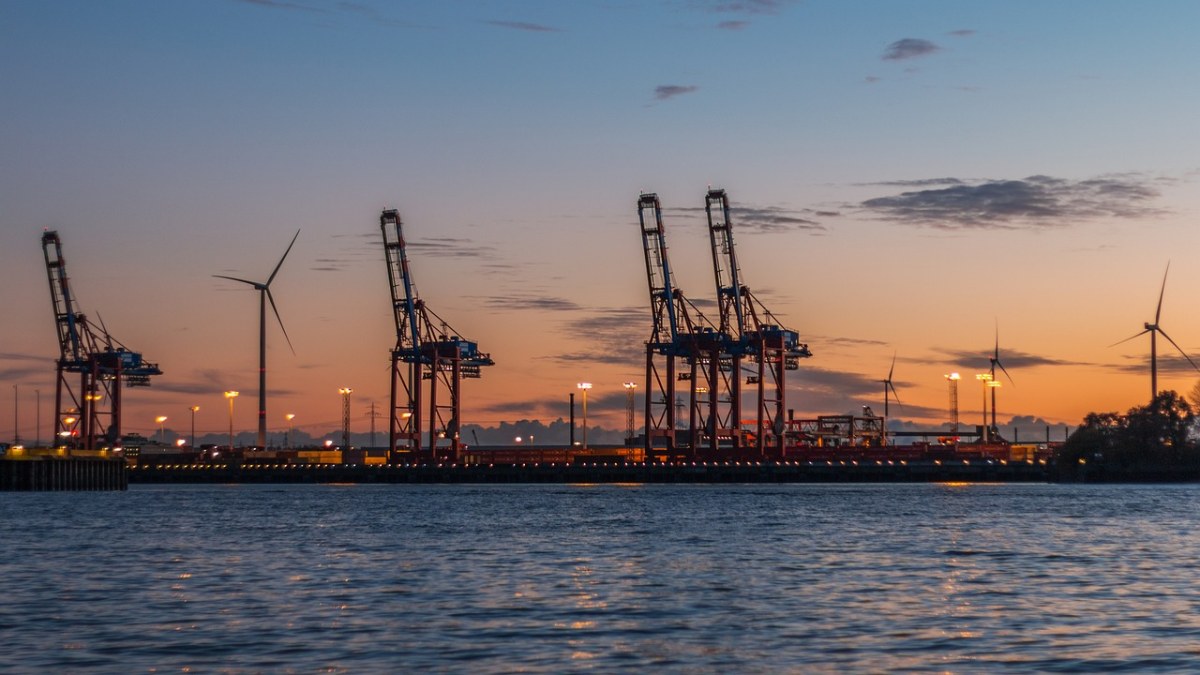
A freight forwarder in Qingdao said that freight rates from mainland China to Middle East transshipment ports such as Kuwait Port and Umm Qasr Port in Iraq have now exceeded $10,000, while total freight costs to inland destinations such as Riyadh, Saudi Arabia, also remain at elevated levels.
The core driver behind this round of rate increases is a sharp reduction in effective capacity. Risks surrounding transit through the Strait of Hormuz have not been resolved, and major carriers have yet to fully restore their original services as they continue to avoid geopolitical risks. Although some carriers have gradually resumed services through the Red Sea and Suez Canal, Drewry noted that the normalization of Suez Canal shipping will be a gradual process, while Maersk still has nine Red Sea services continuing to bypass the Cape of Good Hope.
Panama Canal to Restrict Transits Again in September, Putting Further Pressure on US East Coast Capacity
Capacity on US East Coast routes is also tightening significantly. According to the Drewry World Container Index (WCI) released on August 21, the spot rate from Shanghai to New York rose 9% week-on-week to $9,507/FEU, while Shanghai–Los Angeles rates increased 9% to $6,802/FEU.
Capacity from Asia to the US East Coast fell by approximately 9% in August, while capacity to the US West Coast declined by 0.4%, further tightening available space.
On August 20, the Panama Canal Authority announced that, due to rainfall being 34% below the historical average as a result of El Niño, the daily number of vessel transits will be reduced from 36 to 34 starting September 3, and further reduced to 32 from September 15.
Several carriers have announced Panama Canal surcharges for Asia–US East Coast and Gulf services from September. MSC and other carriers are expected to raise September FAK spot reference rates on US East Coast services by approximately $400–$500, with some 40-foot container rates already exceeding $10,000.
Shanghai Port Congestion Eases as “Panic Sentiment” Adds to Market Volatility
Previously, the volume of containers awaiting clearance at Shanghai Port and Ningbo-Zhoushan Port following the impact of two typhoons had raised concerns in the market.
However, according to an on-site report by Kankan News on August 22, Typhoon “Bailu” caused approximately three days of terminal shutdowns, but after operations resumed, key indicators recovered across the board within one week, while accumulated cargo was being cleared in an orderly manner.
The so-called “severe congestion” was to a large extent driven by market panic and sentiment. Nevertheless, frequent schedule changes have prompted some cargo owners to switch allocations, cancel customs declarations and rebook shipments, further amplifying market volatility.
High Freight Rates Could Persist Through Year-End, Shipping Companies Need Multiple Contingency Plans
Industry estimates suggest that, with geopolitical risks, Panama Canal transit restrictions, port congestion and capacity management all interacting, freight rates may remain elevated and volatile from late Q3 into early Q4, with the overall market likely to remain “easier to rise than fall.”
Shipping and logistics companies are advised to:
- For Middle East routes: Factor in potential costs related to rerouting and ship-to-ship transfers when quoting and planning orders.
- For US East Coast routes: Secure bookings earlier and allow more lead time to reduce the risks of rolled cargo and delays.
- For both routes: Closely monitor Panama Canal water levels and developments around the Strait of Hormuz, while establishing backup routing plans.